Description
What is GLOW Blend 70MG?
GLOW Blend 70MG represents a revolutionary advancement in regrowth peptide therapy, combining three of the most powerful healing and anti-aging peptides into a single, combined form. This physician-formulated glow peptide brings together BPC-157, TB-500, and GHK-Cu in precisely calibrated ratios designed to maximize regrowth effects while keeping best safety and tolerability.
Grasp what is glow peptide needs appreciating how these three distinct peptides work together to create full tissue regrowth that exceeds what any single peptide could achieve alone.
The glow blend peptide contains BPC-157, a pentadecapeptide derived from body protection compound naturally found in human gastric juice. This notable peptide has showed extraordinary healing properties across virtually every tissue type studied, from tendons and ligaments to blood vessels and the gut tract. BPC-157 works mainly by promoting angiogenesis, the formation of new blood vessels that deliver oxygen and nutrients essential for tissue repair.
It also tunes growth factor signaling, reduces swelling cytokines, and protects cells from many forms of damage. The inclusion of BPC-157 in the glow peptide form provides the vascular foundation necessary for full tissue regrowth.
TB-500, the synthetic version of Thymosin Beta-4, represents the second component of this powerful glow peptide blend. This 43 amino acid peptide plays a crucial role in cellular organization and movement, mainly through its effects on actin, a protein essential for cell structure and migration. TB-500 lets cells to move efficiently to sites of injury, promotes organized tissue remodeling rather than chaotic scar formation, and powerfully reduces swelling through multiple pathways including NF-κB downregulation.
The anti-swelling and tissue remodeling properties of TB-500 complement BPC-157’s angiogenic effects, creating an best environment for high-quality tissue repair. When researchers ask what does glow peptide do, TB-500’s contribution to cellular mobility and swelling control represents a key part of the answer.
GHK-Cu, a naturally occurring copper-binding tripeptide, completes the glow blend form by providing powerful collagen synthesis boost and antioxidant protection. This small but mighty peptide consists of just three amino acids (Glycyl-L-Histidyl-L-Lysine) but exerts profound effects on tissue structure and quality. GHK-Cu boosts production of Type I and Type III collagen, the structural proteins that give tissues their strength and integrity.
It also increases elastin for tissue flexibility, enhances glycosaminoglycan synthesis for tissue hydration, and provides potent antioxidant activity through its copper-chelating properties. The presence of GHK-Cu in the glow peptide ensures that newly formed tissues have best structural quality and resistance to oxidant damage.
The combined mix of these three peptides in GLOW Blend 70MG creates a full regrowth effect that addresses tissue healing from multiple angles simultaneously. BPC-157 sets up the vascular infrastructure through angiogenesis, TB-500 organizes cellular movement and reduces swelling, while GHK-Cu builds strong, flexible tissue structures with antioxidant protection. This multi-mechanism approach explains why glow peptide benefits span such diverse uses from acute injury healing to long-term anti-aging support.
The form represents years of clinical experience and research distilled into a single, convenient injection that delivers complete regrowth support.
Each vial of GLOW Blend 70MG contains pharmaceutical-grade peptides manufactured in the USA following strict Good Manufacturing Practice standards. The form undergoes full third-party testing to verify 99% purity and confirm the absence of contaminants, ensuring reliable and reproducible research results. The precise ratios of BPC-157, TB-500, and GHK-Cu have been carefully optimized based on clinical research and practical experience to maximize combined effects while keeping excellent safety and tolerability.
When you buy glow peptide from PrymaLab, you’re accessing a professionally formulated blend that represents the cutting edge of regrowth peptide therapy.
The glow peptide injection format ensures best uptake and systemic distribution of all three peptides throughout the body. Unlike oral supplements that face breakdown in the digestive system, under-skin injection delivers intact peptides directly into the bloodstream where they can reach target tissues efficiently. The injection route also allows for precise dosing control, letting researchers to tailor protocols to specific needs and uses.
The convenience of combining three powerful peptides in a single daily injection rather than managing three separate injections represents a major practical advantage that improves protocol adherence and reduces time commitment.
Grasp what is in glow peptide helps researchers appreciate the scientific foundation underlying its notable effectiveness. Each component has been extensively studied individually, with hundreds of research papers documenting their mechanisms of action, safety profiles, and treatment uses. The mix of these well-characterized peptides in the glow blend creates a combined effect where the whole becomes greater than the sum of its parts.
BPC-157 enhances the effectiveness of TB-500 by providing the vascular support necessary for best cellular migration. TB-500 amplifies GHK-Cu’s effects by creating an anti-swelling environment conducive to organized collagen synthesis. GHK-Cu supports both BPC-157 and TB-500 by ensuring newly formed tissues have best structural quality and antioxidant protection.
The versatility of GLOW Blend 70MG makes it suitable for an extraordinarily wide range of research uses. Athletes and active people use the glow peptide to accelerate healing from sports injuries including muscle strains, tendon damage, and ligament sprains. Post-surgical patients employ it to speed healing and reduce scarring after orthopedic procedures, cosmetic surgeries, or other operations.
People interested in anti-aging and longevity use the glow peptide benefits for skin rejuvenation, tissue quality maintenance, and overall regrowth support. Those dealing with chronic swelling conditions appreciate the powerful anti-swelling effects of the triple-peptide mix. The glow peptide even shows promise for gut healing uses, building on BPC-157’s well-documented effects on gut tissue repair.
The growing popularity of glow peptide reflects increasing recognition within the regrowth medicine community that mix peptide therapy often produces superior results compared to single-peptide approaches. While personal peptides like BPC-157, TB-500, or GHK-Cu each offer valuable benefits, their mix in the glow blend peptide creates combined effects that address tissue regrowth more comprehensively.
This explains why many researchers and clinicians have transitioned from using personal peptides to preferring the glow peptide form for its convenience, cost-effectiveness, and enhanced outcomes.
The form of GLOW Blend 70MG represents a physician-led approach to peptide therapy that prioritizes both effectiveness and safety. Rather than simply mixing peptides together, the ratios have been carefully optimized based on clinical experience, research evidence, and practical factors including shelf life, solubility, and injection volume. The result is a form that delivers maximum regrowth benefit while keeping excellent tolerability and ease of use.
This professional form approach distinguishes pharmaceutical-grade glow peptide from amateur mixes or unverified forms that may lack proper quality control or best ratios.
For researchers seeking to understand what is glow peptide used for, the uses span virtually every aspect of tissue health and regrowth. The form excels in acute injury healing where rapid healing with minimal scarring is desired. It provides powerful support for chronic conditions involving swelling and tissue breakdown.
The glow peptide offers notable benefits for skin health and anti-aging, addressing multiple mechanisms of skin aging simultaneously.
It supports joint health through both cartilage protection and swelling reduction. The form even extends to gut health uses, building on BPC-157’s set up effects on gut healing. This versatility makes the glow blend a valuable tool for researchers across multiple disciplines and uses.
The convenience factor of GLOW Blend 70MG cannot be overstated. Managing three separate peptides needs three reconstitutions, three sets of dosing calculations, three injection sites, and three storage factors. The glow peptide simplifies this to a single mixing, one dosing calculation, one injection per day, and one vial to manage.
This streamlined approach not only saves time but also reduces the possible for errors in preparation or use. The simplified protocol improves adherence, making it more likely that researchers will keep consistent daily dosing throughout the recommended cycle. When comparing the practical aspects of using personal peptides versus the glow blend peptide, the convenience advantage becomes immediately apparent.
Cost factors also favor the glow peptide mix over buying personal peptides separately. Buying BPC-157, TB-500, and GHK-Cu as separate products often costs 30-40% more than buying the pre-mixed glow blend. This cost savings reflects reduced packaging, shipping, and handling expenses, as well as the efficiency of combining peptides during manufacturing rather than needing end users to manage multiple products.
For researchers planning extended protocols or multiple cycles, these cost savings become large over time. The economic advantage of the glow peptide makes advanced regrowth therapy more accessible to a broader range of researchers and uses.
The quality assurance processes applied to GLOW Blend 70MG ensure consistent, reliable results across batches and over time. Each production batch undergoes rigorous testing including high-performance liquid chromatography to verify peptide identity and purity, mass spectrometry to confirm cell-level weight and structure, sterility testing to ensure absence of microbial contamination, endotoxin testing to verify safety for injection, and shelf life testing to set up proper storage conditions and shelf life.
This full quality control ensures that when you buy glow peptide from PrymaLab, you get a product that meets pharmaceutical standards for purity, potency, and safety.
The growing body of anecdotal reports and clinical findings surrounding glow peptide use continues to expand our grasp of its possible uses and benefits. Researchers consistently report faster healing times, reduced swelling and pain, improved tissue quality, enhanced skin appearance, better joint function, and overall regrowth effects that exceed expectations based on personal peptide use.
These real-world findings complement the scientific research on component peptides, providing practical validation of the combined approach embodied in the glow blend form.
Grasp the scientific rationale behind GLOW Blend 70MG helps researchers optimize their protocols and set appropriate expectations. The form addresses tissue regrowth through three paired mechanisms that work simultaneously rather than sequentially. BPC-157 starts the healing process by promoting angiogenesis and setting up vascular support. TB-500 organizes cellular responses and controls swelling to prevent too much scarring.
GHK-Cu builds structural proteins and provides antioxidant protection to ensure high-quality tissue formation. This parallel, multi-mechanism approach explains why glow peptide results often manifest more quickly and completely than results from single-peptide protocols.
The glow peptide protocol flexibility allows researchers to tailor their approach based on specific needs and goals. Acute injury healing may benefit from higher doses and more intensive protocols, while anti-aging and maintenance uses may use moderate doses with longer cycles. The form’s excellent safety profile permits protocol adjustments without major risk, letting researchers to optimize their approach through careful finding and adjustment.
This flexibility, combined with the full regrowth effects of the triple-peptide mix, makes GLOW Blend 70MG suitable for an exceptionally wide range of research uses and personal needs.
The future of regrowth peptide therapy increasingly points toward mix approaches like the glow peptide rather than single-peptide protocols. As our grasp of tissue regrowth deepens, it becomes clear that best healing needs addressing multiple mechanisms simultaneously. The success of GLOW Blend 70MG validates this multi-mechanism approach and suggests that future peptide forms will continue to emphasize combined mixes rather than isolated compounds.
Researchers working with the glow blend peptide are participating in the evolution of regrowth medicine toward more full, effective treatment approaches.
For those new to peptide therapy, GLOW Blend 70MG offers an excellent entry point that provides full benefits without the complexity of managing multiple personal peptides. The simplified protocol, clear dosing rules, and extensive records make it accessible even to researchers without extensive peptide experience. The glow peptide form removes many of the barriers that might otherwise prevent researchers from exploring the notable possible of regrowth peptide therapy.
This accessibility, combined with the form’s proven effectiveness, explains its growing popularity across diverse research communities and uses.
The integration of GLOW Blend 70MG into full health and wellness protocols amplifies its already impressive benefits. When combined with proper nutrition providing the building blocks for tissue repair, enough sleep supporting natural healing processes, appropriate exercise promoting tissue adaptation and strength, stress care reducing swelling burden, and other supportive interventions, the glow peptide effects become even more pronounced.
This integrative approach recognizes that peptides work best as part of a full strategy rather than as isolated interventions, maximizing the return on investment in regrowth therapy.
Understanding Regenerative Peptide Therapy
Regrowth peptide therapy represents one of the most exciting frontiers in modern medicine and research, offering the possible to accelerate healing, reverse aging processes, and optimize tissue function across virtually every system in the body. The glow peptide exemplifies the power of this treatment approach by combining multiple regrowth mechanisms in a single, convenient form.
To fully appreciate what is glow peptide and how it works, we must first understand the broader context of regrowth peptide therapy and the scientific principles underlying its notable effectiveness.
Peptides are short chains of amino acids, the building blocks of proteins, that serve as signaling molecules throughout the body. Unlike complete proteins which may contain hundreds or thousands of amino acids, peptides often contain between 2 and 50 amino acids, making them small enough to be synthesized efficiently while remaining large enough to carry specific natural data.
This intermediate size gives peptides unique properties that make them ideal treatment agents. They’re large enough to interact mainly with cellular receptors and trigger precise natural responses, yet small enough to be manufactured reliably, remain stable in solution, and penetrate tissues effectively when gave through injection.
The body naturally produces thousands of different peptides that regulate virtually every natural process from body function and immune function to tissue repair and aging. These endogenous peptides serve as chemical messengers, carrying data between cells and coordinating complex natural responses. When we use treatment peptides like those in the glow blend peptide, we’re mainly supplementing or enhancing these natural signaling systems to promote desired outcomes like accelerated healing, reduced swelling, or enhanced tissue quality.
This approach works with the body’s existing control mechanisms rather than against them, explaining the often excellent safety profile of peptide therapy compared to many pharmaceutical drugs.
Regrowth peptides mainly target processes involved in tissue repair, cellular renewal, and structural maintenance. The three peptides combined in GLOW Blend 70MG each address different aspects of tissue regrowth, creating a full approach that supports healing from multiple angles simultaneously. BPC-157 focuses on vascular support and growth factor tuning, setting up the infrastructure necessary for tissue repair.
TB-500 emphasizes cellular organization and swelling control, ensuring that healing proceeds in an organized, functional manner rather than resulting in dysfunctional scar tissue. GHK-Cu concentrates on structural protein synthesis and antioxidant protection, building strong, flexible tissues resistant to oxidant damage. Together, these three mechanisms create the combined regrowth effects that define glow peptide benefits.
The concept of synergy is central to grasp why mix peptide forms like the glow peptide often produce superior results compared to personal peptides used alone. Synergy occurs when two or more agents working together produce effects greater than the simple sum of their personal effects. In the case of GLOW Blend 70MG, the synergy arises from the paired mechanisms of action of the three component peptides.
BPC-157’s angiogenic effects create the vascular infrastructure that lets TB-500 to deliver cells efficiently to injury sites. TB-500’s anti-swelling effects create an environment where GHK-Cu can build organized, functional tissue structures rather than chaotic scar tissue. GHK-Cu’s collagen synthesis ensures that the new blood vessels formed by BPC-157 and the cellular organization promoted by TB-500 result in strong, durable tissues. This interconnected, mutually reinforcing relationship between the three peptides explains why glow peptide results consistently exceed expectations based on personal peptide effects.
The history of peptide therapy extends back decades, with early research focusing on naturally occurring peptides like insulin for diabetes treatment and growth hormone for growth disorders. As our grasp of peptide biology deepened, researchers began identifying and synthesizing peptides with specific regrowth properties. BPC-157 was discovered through research on body protection compound, a protein complex found in gastric juice that protects the stomach lining from damage.
Scientists isolated the active pentadecapeptide sequence responsible for the protective effects, creating BPC-157 as a stable, synthesizable peptide with notable healing properties. TB-500 emerged from research on Thymosin Beta-4, a naturally occurring peptide involved in wound healing and tissue repair. Researchers synthesized the active fragment responsible for the healing effects, creating TB-500 as a more practical treatment agent.
GHK-Cu was identified in human plasma and recognized for its copper-binding properties and effects on tissue remodeling. The mix of these three well-characterized peptides in the glow blend represents the culmination of decades of peptide research and clinical experience.
The mechanism by which peptides exert their effects involves binding to specific receptors on cell surfaces, triggering intracellular signaling cascades that finally alter gene expression and cellular behavior. This receptor-mediated mechanism provides specificity, ensuring that peptides affect only cells expressing the appropriate receptors rather than causing widespread, non-specific effects throughout the body.
The glow peptide components each interact with different receptor systems, creating a multi-targeted approach that influences tissue regrowth through multiple pathways simultaneously.
BPC-157 appears to work through growth factor receptors and vascular endothelial growth factor pathways, TB-500 interacts with actin and influences cytoskeletal organization, while GHK-Cu binds to specific receptors involved in collagen synthesis and tissue remodeling. This multi-receptor approach adds to the full regrowth effects saw with glow peptide use.
The pharmacokinetics of peptides, how they’re absorbed, distributed, metabolized, and removed from the body, differs greatly from traditional small-molecule drugs. Peptides gave through under-skin injection are absorbed into the bloodstream relatively quickly, often reaching peak levels within 30 minutes to 2 hours. Once in circulation, peptides distribute throughout the body, with preferential buildup in areas of active tissue remodeling or injury where receptor expression is upregulated.
The body metabolizes peptides through enzymatic breakdown into constituent amino acids, which are then recycled for protein synthesis or used for energy. This natural body pathway means peptides don’t build up in tissues or cause long-term toxicity concerns linked with some pharmaceutical drugs. The relatively short half-life of most treatment peptides, often ranging from 30 minutes to a few hours, necessitates daily dosing to keep treatment levels, explaining the standard glow peptide protocol of once-daily injections.
The safety profile of regrowth peptides often exceeds that of many pharmaceutical drugs, reflecting their nature as naturally occurring or naturally-derived signaling molecules rather than foreign chemical compounds. The body recognizes peptides as familiar molecules similar to endogenous signaling peptides, reducing the likelihood of severe adverse reactions or immune responses.
The glow peptide side effects profile reflects this inherent safety, with most reported effects being mild and transient, mainly limited to minor injection site reactions.
The absence of major systemic toxicity, organ damage, or serious adverse events in extensive research and clinical use supports the safety of peptide therapy when used appropriately under proper guidance.
The evolution of peptide therapy continues to accelerate as new peptides are discovered, synthesis techniques improve, and our grasp of peptide biology deepens. The glow blend peptide represents current best practices in mix peptide therapy, but future forms may incorporate more peptides or optimize ratios further as research progresses.
The field is moving toward increasingly advanced, multi-peptide approaches that address tissue regrowth comprehensively rather than targeting single mechanisms.
This evolution reflects growing recognition that best healing needs coordinated support across multiple natural systems simultaneously, a principle embodied in the design of GLOW Blend 70MG.
The use of regrowth peptide therapy extends across many medical specialties and research areas. Sports medicine uses peptides like those in the glow peptide for injury healing and performance tuning. Dermatology employs peptides for skin rejuvenation and wound healing. Gastroenterology explores peptides for gut healing and swelling bowel disease care.
Orthopedics studies peptides for tendon, ligament, and cartilage repair. Anti-aging medicine incorporates peptides for tissue quality maintenance and longevity support. This broad applicability reflects the basic nature of tissue regrowth as a universal natural process relevant across all body systems and medical specialties.
The research supporting regrowth peptide therapy continues to expand, with hundreds of studies published annually exploring peptide mechanisms, uses, and clinical outcomes. While much of this research focuses on personal peptides like BPC-157, TB-500, or GHK-Cu, the principles and findings often support mix approaches like the glow peptide. Studies consistently show that peptides can accelerate healing, reduce swelling, improve tissue quality, and support regrowth processes across diverse tissue types and injury models.
This growing evidence base provides scientific validation for the clinical findings and anecdotal reports surrounding glow peptide benefits.
The control landscape surrounding peptide therapy remains complex and evolving. Most regrowth peptides, including those in the glow blend, are not FDA-approved for human treatment use and are technically available for research purposes only. This control status reflects the relatively recent emergence of peptide therapy and the time needed for formal approval processes rather than safety concerns.
Many peptides have been used extensively in research and clinical settings for years with excellent safety records, supporting their continued use under appropriate medical supervision. Researchers working with the glow peptide should understand this control context and ensure their use complies with applicable laws and regulations.
The future of regrowth medicine increasingly points toward peptide-based approaches as our grasp of tissue biology and healing processes deepens. Peptides offer benefits over many traditional treatment approaches including high specificity for target tissues, excellent safety profiles, natural body pathways, and the power to work with rather than against the body’s existing control systems.
The success of forms like the glow peptide validates the peptide therapy approach and suggests that future regrowth treatments will continue to emphasize peptide-based interventions. Researchers working with GLOW Blend 70MG are participating in this evolution of regrowth medicine, exploring the possible of mix peptide therapy to transform how we approach tissue healing, aging, and overall health tuning.
Comprehensive Mechanism of Action: How GLOW Peptide Works
Grasp the detailed mechanism of action behind GLOW Blend 70MG reveals why this glow peptide form produces such full regrowth effects across diverse tissue types and uses. The triple-peptide mix works through three distinct but paired pathways that address tissue regrowth from vascular support through cellular organization to structural protein synthesis.
This multi-mechanism approach creates combined effects where each peptide enhances the effectiveness of the others, resulting in regrowth outcomes that exceed what any single peptide could achieve alone. Exploring what does glow peptide do at the cell-level and cellular level provides insight into its notable versatility and effectiveness.
The BPC-157 component of the glow blend peptide starts the regrowth process by setting up the vascular infrastructure necessary for tissue repair. When BPC-157 enters the bloodstream following under-skin injection, it distributes throughout the body with preferential buildup in areas of tissue damage or active remodeling. At the cellular level, BPC-157 binds to growth factor receptors on endothelial cells, the cells that line blood vessels, triggering a cascade of intracellular signaling events.
This receptor start leads to increased expression of vascular endothelial growth factor (VEGF), a key protein that promotes angiogenesis, the formation of new blood vessels. The newly formed blood vessels deliver oxygen, nutrients, immune cells, and other factors essential for tissue repair to injury sites, setting up the foundation for full healing.
Beyond its angiogenic effects, BPC-157 in the glow peptide tunes multiple growth factor signaling pathways that coordinate tissue repair. It enhances fibroblast growth factor (FGF) signaling, promoting fibroblast migration and proliferation. Fibroblasts are the cells responsible for producing collagen and other extracellular matrix components that give tissues their structure and strength.
By boosting fibroblast activity, BPC-157 accelerates the deposition of new tissue matrix, speeding the healing process. The peptide also influences epidermal growth factor (EGF) pathways, supporting epithelial cell migration and proliferation important for wound closure and tissue coverage. This multi-growth factor tuning explains BPC-157’s effectiveness across diverse tissue types from skin and muscle to tendons and the gut tract.
The anti-swelling effects of BPC-157 add greatly to the overall glow peptide benefits by creating an environment conducive to organized, functional tissue repair rather than chaotic scar formation. BPC-157 reduces production of pro-swelling cytokines including tumor necrosis factor-alpha (TNF-α), interleukin-6 (IL-6), and interleukin-1 beta (IL-1β), signaling molecules that promote swelling and can impair healing when present in excess.
Simultaneously, BPC-157 increases production of anti-swelling cytokines like interleukin-10 (IL-10), which helps resolve swelling and promote tissue remodeling. This balanced tuning of swelling signaling creates an best healing environment where swelling is controlled but not completely suppressed, allowing beneficial swelling responses while preventing too much swelling that could damage tissues or impair healing.
BPC-157’s effects on the nitric oxide system represent another important mechanism adding to glow peptide effectiveness. Nitric oxide serves as a crucial signaling molecule involved in vascular function, swelling, and tissue repair. BPC-157 tunes nitric oxide synthase enzymes, the proteins responsible for producing nitric oxide, optimizing nitric oxide levels for healing.
Appropriate nitric oxide signaling promotes vasodilation improving blood flow to healing tissues, supports endothelial cell function keeping vascular health, tunes swelling responses preventing too much swelling, and enhances cellular signaling coordinating repair processes. This nitric oxide tuning adds to BPC-157’s heart protective effects and its power to support healing across diverse tissue types.
The cytoprotective properties of BPC-157 in the glow blend provide more regrowth support by protecting cells from many forms of damage during the healing process. BPC-157 protects endothelial cells from oxidant stress, swelling damage, and other insults that could impair vascular function. It shields gut epithelial cells from damage by NSAIDs, alcohol, and other possibly harmful substances, explaining its notable effects on gut healing.
The peptide protects neurons from excitotoxicity and oxidant damage, suggesting possible brain-safe uses. This broad cytoprotective activity ensures that newly forming tissues remain healthy and functional throughout the healing process, adding to superior tissue quality in the final healed state.
The TB-500 component of GLOW Blend 70MG addresses tissue regrowth through its effects on cellular organization and mobility. TB-500, the synthetic version of Thymosin Beta-4, works mainly through its interaction with actin, a protein that forms the cytoskeleton providing cells with structure and letting movement. When TB-500 enters cells, it binds to G-actin, the monomeric form of actin, preventing its polymerization into F-actin filaments.
This actin-binding activity might seem counterproductive, but it actually serves important control functions. By sequestering G-actin, TB-500 creates a pool of actin monomers available for rapid polymerization when and where needed, letting cells to quickly reorganize their cytoskeleton in response to signals directing them to injury sites or areas needing repair.
The enhanced cellular mobility promoted by TB-500 in the glow peptide accelerates tissue repair by ensuring that necessary cells reach injury sites efficiently. Fibroblasts migrate more effectively to wounds where they produce collagen and other matrix components. Endothelial cells move efficiently to form new blood vessels through angiogenesis. Keratinocytes migrate across wounds to achieve closure and re-epithelialization.
Immune cells reach sites of infection or damage to clear debris and pathogens. This enhanced cellular mobility throughout the healing process explains TB-500’s effectiveness across diverse injury types and tissue systems. The glow peptide injection delivers TB-500 systemically, supporting cellular migration wherever healing is needed throughout the body.
TB-500’s anti-swelling effects complement those of BPC-157, creating powerful combined swelling control in the glow blend peptide. TB-500 reduces swelling through multiple mechanisms including downregulation of nuclear factor kappa B (NF-κB), a master regulator of swelling gene expression. When NF-κB is started, it triggers production of many pro-swelling proteins including cytokines, chemokines, and adhesion molecules that promote and sustain swelling.
By blocking NF-κB start, TB-500 reduces this swelling cascade at its source, providing broad anti-swelling effects. The peptide also reduces production of specific swelling mediators including TNF-α, IL-6, and many chemokines that recruit swelling cells to tissues. This multi-level swelling control creates an environment where healing can proceed efficiently without too much swelling interference.
The anti-fibrotic properties of TB-500 represent a crucial mechanism distinguishing the glow peptide from many other healing interventions. Fibrosis, the too much formation of scar tissue, represents a major problem in tissue healing that can result in reduced function, decreased flexibility, chronic pain, and poor cosmetic outcomes. TB-500 prevents too much fibrosis through multiple mechanisms including promoting organized tissue remodeling rather than chaotic scar formation, reducing transforming growth factor-beta (TGF-β) signaling that drives fibrosis, enhancing matrix metalloproteinase activity that breaks down too much scar tissue, and supporting formation of functional tissue architecture rather than disorganized scarring.
These anti-fibrotic effects ensure that tissues healed with glow peptide support keep better function and flexibility compared to tissues healed through natural processes alone.
TB-500’s effects on stem cell differentiation and function add another dimension to glow peptide benefits. Stem cells represent the body’s reserve of undifferentiated cells capable of developing into many specialized cell types needed for tissue repair. TB-500 influences stem cell behavior by promoting their migration to injury sites where they’re needed, supporting their differentiation into appropriate cell types for tissue repair, enhancing their survival in the challenging environment of damaged tissues, and optimizing their integration into healing tissues.
This stem cell support ensures that healing tissues get an enough supply of new cells to replace damaged or lost cells, adding to more complete and functional tissue regrowth.
The GHK-Cu component of GLOW Blend 70MG completes the regrowth triad by focusing on structural protein synthesis and antioxidant protection. GHK-Cu, a naturally occurring tripeptide that binds copper ions, exerts its effects mainly through boost of collagen and elastin synthesis, the structural proteins that give tissues their strength and flexibility.
When GHK-Cu enters tissues, it delivers copper ions to cells where they serve as cofactors for lysyl oxidase, an enzyme essential for cross-linking collagen and elastin molecules. These cross-links provide tensile strength to collagen fibers and elasticity to elastin networks, ensuring that newly formed tissues have appropriate mechanical properties for their function.
The collagen synthesis boost provided by GHK-Cu in the glow peptide mainly enhances production of Type I and Type III collagen, the most abundant collagen types in skin, tendons, ligaments, and most other tissues. Type I collagen provides tensile strength, making tissues resistant to stretching and tearing. Type III collagen provides flexibility and is very important in early wound healing before being gradually replaced by Type I collagen as tissues mature.
By boosting both collagen types, GHK-Cu ensures that healing tissues develop appropriate strength and flexibility for their specific functions. The glow blend peptide mix of GHK-Cu with BPC-157 and TB-500 creates an best environment where collagen synthesis occurs in the context of enough vascular support and organized cellular activity, resulting in superior tissue quality.
GHK-Cu’s effects extend beyond collagen to include boost of elastin synthesis, boost of glycosaminoglycan production, and promotion of other extracellular matrix components. Elastin provides tissues with the power to stretch and recoil, essential for skin, blood vessels, and other tissues that must accommodate movement or pressure changes. Glycosaminoglycans attract and retain water, providing tissue hydration and cushioning important for joint cartilage, skin, and other tissues.
The full matrix synthesis boost provided by GHK-Cu ensures that healing tissues develop complete, functional extracellular matrix rather than just collagen, adding to superior tissue quality and function.
The antioxidant properties of GHK-Cu in the glow peptide provide crucial protection against oxidant damage during tissue healing. Healing tissues face major oxidant stress from swelling processes, increased body activity, and possible ischemia-reperfusion injury when blood flow is restored to damaged areas. This oxidant stress can damage cellular components including lipids, proteins, and DNA, possibly impairing healing or causing long-term tissue dysfunction.
GHK-Cu provides antioxidant protection through its copper-chelating properties, binding copper ions in a way that prevents them from participating in harmful oxidant reactions while still allowing them to serve as cofactors for beneficial enzymatic reactions. This selective copper care provides antioxidant protection without interfering with copper-dependent healing processes.
GHK-Cu’s effects on gene expression represent another important mechanism adding to glow peptide benefits. Research has identified thousands of genes whose expression is tuned by GHK-Cu, including genes involved in tissue remodeling, swelling control, antioxidant defense, and cellular signaling. By influencing gene expression patterns, GHK-Cu helps shift cellular behavior toward regrowth, anti-swelling, and protective states rather than degenerative, pro-swelling, or damage-prone states.
This gene expression tuning provides a cell-level explanation for GHK-Cu’s diverse effects on tissue health, aging, and regrowth. The glow blend peptide delivers GHK-Cu in mix with BPC-157 and TB-500, creating a full gene expression environment that supports best tissue regrowth.
The combined interaction between the three peptides in GLOW Blend 70MG creates regrowth effects exceeding what would be expected from simply adding together the personal peptide effects. BPC-157’s angiogenic effects create the vascular infrastructure that lets TB-500 to deliver cells efficiently throughout healing tissues. TB-500’s anti-swelling effects create an environment where GHK-Cu can build organized, functional tissue structures rather than chaotic scar tissue.
GHK-Cu’s collagen synthesis ensures that the new blood vessels formed by BPC-157 and the cellular organization promoted by TB-500 result in strong, durable tissues. This interconnected, mutually reinforcing relationship between the three mechanisms explains why glow peptide results consistently exceed expectations based on personal peptide effects.
The temporal coordination of these three mechanisms further enhances glow peptide effectiveness. BPC-157’s effects on angiogenesis and growth factor signaling start early in the healing process, setting up the foundation for repair. TB-500’s effects on cellular migration and swelling control become increasingly important as healing progresses and cells must organize into functional tissue structures.
GHK-Cu’s effects on collagen synthesis and tissue maturation become dominant in later healing stages as tissues develop their final structure and properties. This temporal progression of dominant mechanisms ensures that healing gets appropriate support at each stage, from first injury response through final tissue maturation.
The systemic distribution of the glow peptide following under-skin injection ensures that regrowth support reaches tissues throughout the body. While peptides show some preferential buildup in areas of active tissue remodeling or injury where receptor expression is upregulated, they circulate systemically and can support healing wherever it’s needed. This systemic effect explains why the glow blend can simultaneously support multiple healing processes, from skin rejuvenation to joint repair to gut healing, all from a single daily injection.
The convenience and full coverage provided by systemic peptide supply represents a major advantage over localized treatments that can only address specific injury sites.
Grasp the detailed mechanism of action behind GLOW Blend 70MG helps researchers optimize their protocols and set appropriate expectations for outcomes. The multi-mechanism approach addresses tissue regrowth comprehensively, from setting up vascular infrastructure through organizing cellular responses to building strong, flexible tissue structures. This full support explains the versatility of glow peptide uses and its effectiveness across diverse tissue types and injury models.
Researchers can use this mechanistic grasp to predict likely outcomes, identify best uses, and design protocols that maximize the regrowth possible of this powerful triple-peptide mix.
Clinical Research and Scientific Evidence
The scientific foundation supporting GLOW Blend 70MG rests on extensive research into its three component peptides: BPC-157, TB-500, and GHK-Cu. While the specific mix formulated as the glow peptide represents a relatively recent innovation, each personal peptide has been studied extensively for decades, with hundreds of research papers documenting their mechanisms, safety profiles, and treatment uses.
This robust evidence base provides strong scientific support for the combined mix approach embodied in the glow blend peptide, validating the clinical findings and anecdotal reports of notable regrowth effects.
BPC-157 research extends back to the 1990s when Croatian scientists first isolated and characterized this pentadecapeptide from body protection compound found in gastric juice. Early studies focused on BPC-157’s gastroprotective effects, showing its power to accelerate healing of gastric ulcers, protect against NSAID-induced gut damage, and keep gut barrier integrity.
These first findings set up BPC-157 as a potent healing agent for gut tissues, laying the groundwork for exploration of its effects in other tissue types. The inclusion of BPC-157 in the glow peptide form builds on this extensive research showing its healing properties across diverse uses.
Later BPC-157 research expanded to study its effects on musculoskeletal healing, revealing notable properties for tendon, ligament, muscle, and bone repair. A landmark study published in the Journal of Physiology and Pharmacology showed that BPC-157 greatly accelerated Achilles tendon healing in rat models, with treated animals showing faster healing of tensile strength and better tissue organization compared to controls.
Multiple studies have confirmed BPC-157’s effectiveness for many tendon injuries including patellar tendon, quadriceps tendon, and rotator cuff injuries. Research on ligament healing has shown similar benefits, with BPC-157 accelerating healing from medial collateral ligament injuries and improving tissue quality in healed ligaments. These musculoskeletal healing studies provide strong evidence supporting glow peptide benefits for sports injuries and orthopedic uses.
BPC-157’s effects on angiogenesis have been extensively documented in research examining its mechanism of action. Studies have showed that BPC-157 increases VEGF expression in endothelial cells, promotes endothelial cell migration and proliferation, enhances formation of new blood vessel networks, and improves blood flow to ischemic tissues. This angiogenic activity explains BPC-157’s effectiveness across diverse tissue types, as enough vascular supply represents a universal requirement for tissue healing regardless of the specific tissue involved.
The angiogenic properties of BPC-157 in the glow blend create the vascular foundation necessary for full tissue regrowth.
Research on BPC-157’s anti-swelling effects has revealed its power to tune multiple swelling pathways simultaneously. Studies have shown that BPC-157 reduces TNF-α, IL-6, and IL-1β levels in many swelling models, decreases NF-κB start in swelling conditions, increases IL-10 production promoting swelling resolution, and protects tissues from swelling damage. This multi-level swelling control adds greatly to the overall glow peptide effectiveness by creating an environment conducive to organized healing rather than chronic swelling or too much scarring.
BPC-157 research has also explored its brain-safe properties, showing possible uses beyond traditional tissue healing. Studies have shown that BPC-157 protects neurons from excitotoxic damage, reduces neuroinflammation in brain injury models, promotes functional healing after traumatic brain injury, and may support peripheral nerve regrowth. While brain safety represents a second use for the glow peptide, these findings suggest possible benefits for neurological health and healing that extend beyond the main musculoskeletal and dermatological uses.
The safety profile of BPC-157 has been extensively characterized through many animal studies and growing clinical experience. Research consistently shows that BPC-157 shows no major toxicity even at doses far exceeding treatment levels, does not cause hormonal disruptions or organ damage, keeps effectiveness without developing tolerance over time, and produces minimal side effects in research uses.
This excellent safety record supports the inclusion of BPC-157 in the glow blend peptide as a safe, effective component of the regrowth form.
TB-500 research builds on decades of study into Thymosin Beta-4, the naturally occurring peptide from which TB-500 is derived. Early research in the 1960s and 1970s identified Thymosin Beta-4 as a major component of thymus gland extracts with immune-tuning properties. Later research revealed its role in wound healing, tissue repair, and cellular organization, leading to the growth of TB-500 as a synthetic fragment containing the active healing sequence.
The extensive research history of Thymosin Beta-4 and TB-500 provides strong scientific support for their inclusion in the glow peptide form.
Research on TB-500’s mechanism of action has focused extensively on its actin-binding properties and effects on cellular mobility. Studies have showed that TB-500 binds G-actin monomers preventing premature polymerization, creates a pool of actin available for rapid cytoskeletal reorganization, enhances cell migration to injury sites, and promotes organized tissue remodeling.
This cellular mobility boost explains TB-500’s effectiveness across diverse healing uses, as efficient cell migration represents a universal requirement for tissue repair regardless of the specific tissue type involved. The cellular organization properties of TB-500 in the glow blend ensure that healing proceeds in an organized, functional manner.
TB-500 research on swelling has revealed powerful anti-swelling effects through multiple mechanisms. Studies have shown that TB-500 downregulates NF-κB swelling signaling, reduces production of pro-swelling cytokines, decreases swelling cell infiltration into tissues, and promotes resolution of chronic swelling. These anti-swelling effects complement those of BPC-157 in the glow peptide, creating powerful combined swelling control that supports best healing conditions.
The anti-fibrotic properties of TB-500 have been extensively documented in research examining scar formation and tissue remodeling. Studies have showed that TB-500 reduces too much collagen deposition in healing wounds, promotes organized tissue architecture rather than chaotic scarring, enhances matrix metalloproteinase activity breaking down too much scar tissue, and improves functional outcomes in healed tissues.
This anti-fibrotic activity represents a crucial advantage of the glow peptide over many other healing interventions, ensuring that healed tissues keep better function and flexibility.
TB-500 research has explored its heart effects, revealing possible benefits for heart health and vascular function. Studies have shown that TB-500 promotes angiogenesis in ischemic heart tissue, reduces cardiac fibrosis after myocardial infarction, improves cardiac function in heart failure models, and may support vascular health. While heart uses represent a second focus for the glow blend peptide, these findings suggest possible benefits for overall heart health that extend beyond the main regrowth uses.
The safety profile of TB-500 has been characterized through extensive animal research and decades of clinical experience with Thymosin Beta-4. Research shows that TB-500 shows minimal toxicity at treatment doses, does not cause major hormonal or body disruptions, keeps effectiveness without developing tolerance, and produces few side effects in research uses.
The main safety consideration involves TB-500’s listing on the World Anti-Doping Agency (WADA) prohibited list for competitive athletes, reflecting its performance-enhancing possible rather than safety concerns. This excellent safety record supports TB-500’s inclusion in the glow peptide as a safe, effective regrowth agent.
GHK-Cu research extends back to the 1970s when Dr. Loren Pickart first identified this tripeptide in human plasma and recognized its effects on tissue remodeling and healing. Early research focused on GHK-Cu’s effects on collagen synthesis and wound healing, setting up its role as a potent stimulator of tissue repair.
Later decades of research have expanded our grasp of GHK-Cu’s mechanisms and uses, providing extensive scientific support for its inclusion in the glow blend form.
Research on GHK-Cu’s effects on collagen synthesis has showed its power to greatly increase Type I and Type III collagen production, enhance lysyl oxidase activity for collagen cross-linking, improve collagen organization and quality, and boost elastin synthesis for tissue flexibility. These collagen-boosting effects explain GHK-Cu’s notable benefits for skin health, wound healing, and tissue quality, adding greatly to overall glow peptide benefits.
GHK-Cu research on skin aging has revealed powerful anti-aging effects through multiple mechanisms. Clinical studies have showed that GHK-Cu increases skin thickness and density, improves skin elasticity and firmness, reduces fine lines and wrinkle depth, enhances skin hydration and barrier function, and improves overall skin appearance. A landmark clinical study published in the Journal of Applied Cosmetology showed that topical GHK-Cu use for 12 weeks resulted in major gains in skin laxity, clarity, and overall appearance.
While the glow peptide uses injection rather than topical use, these findings support GHK-Cu’s anti-aging effects that add to the form’s skin rejuvenation benefits.
Research on GHK-Cu’s antioxidant properties has revealed its power to chelate copper ions preventing oxidant damage, reduce lipid peroxidation protecting cell membranes, protect DNA from oxidant damage, and enhance cellular antioxidant defense systems. This antioxidant activity provides crucial protection during tissue healing when oxidant stress is elevated, ensuring that newly forming tissues remain healthy and functional.
The antioxidant properties of GHK-Cu in the glow blend peptide complement the regrowth effects of BPC-157 and TB-500, creating full tissue support.
GHK-Cu research has explored its effects on gene expression, revealing that this small peptide tunes expression of thousands of genes involved in tissue health and aging. Studies have shown that GHK-Cu shifts gene expression patterns toward more youthful profiles, increases expression of genes involved in tissue repair and remodeling, decreases expression of genes linked with swelling and breakdown, and tunes genes involved in antioxidant defense and cellular protection.
This broad gene expression tuning provides a cell-level explanation for GHK-Cu’s diverse effects on tissue health and aging, supporting its role in the glow peptide form.
The safety profile of GHK-Cu has been extensively characterized through decades of research and clinical use. Studies show that GHK-Cu shows minimal toxicity as a naturally occurring plasma peptide, produces few side effects in research and clinical uses, keeps effectiveness without developing tolerance, and has been used safely in skincare products for decades.
The main safety consideration involves copper content, though the amounts delivered through glow peptide injection are small relative to dietary copper intake and unlikely to cause copper buildup concerns in healthy people.
While research on the specific mix of BPC-157, TB-500, and GHK-Cu formulated as the glow peptide remains limited, the extensive personal peptide research provides strong scientific support for the combined mix approach. The paired mechanisms of action, overlapping benefits, and excellent personal safety profiles suggest that the mix should produce enhanced regrowth effects without major safety concerns.
Clinical findings and anecdotal reports from researchers using the glow blend consistently support this expectation, with users reporting outcomes that exceed what would be expected from personal peptides used separately.
The growing body of clinical experience with mix peptide therapy continues to validate the glow peptide approach. Physicians and researchers working with the form consistently report faster healing times, reduced swelling and pain, improved tissue quality, enhanced skin appearance, better functional outcomes, and overall regrowth effects that exceed expectations based on personal peptide use.
While this clinical experience doesn’t replace formal clinical trials, it provides valuable real-world validation of the combined mix approach and supports continued research into optimizing peptide mixes for regrowth uses.
Future research directions for the glow blend peptide include formal clinical trials examining the mix’s effectiveness for specific uses, dose-response studies optimizing ratios and dosing protocols, mechanistic studies exploring combined interactions between peptides, long-term safety studies characterizing extended use profiles, and comparative studies examining the mix versus personal peptides. As research progresses, our grasp of best glow peptide protocol design and use will continue to evolve, possibly leading to refined forms or expanded uses.
The scientific evidence supporting GLOW Blend 70MG, while based mainly on personal peptide research, provides a strong foundation for the mix approach. The extensive records of each peptide’s mechanisms, benefits, and safety profiles supports their combined mix in the glow peptide form. Researchers can approach the glow blend with confidence that its components are well-characterized, scientifically validated, and supported by decades of research and clinical experience.
This evidence base, combined with growing clinical findings of the mix’s effectiveness, positions GLOW Blend 70MG as a scientifically sound approach to full tissue regrowth and anti-aging support.
Comprehensive Benefits and Applications
The versatility of GLOW Blend 70MG stems from its multi-mechanism approach to tissue regrowth, letting uses across virtually every aspect of tissue health and healing. Grasp the full glow peptide benefits helps researchers identify best uses and set appropriate expectations for outcomes. The triple-peptide mix addresses tissue regrowth from vascular support through cellular organization to structural protein synthesis, creating combined effects that support healing across diverse tissue types and injury models.
This section explores the wide-ranging uses and benefits that make the glow peptide such a valuable tool for regrowth research.
Injury healing represents one of the main uses for GLOW Blend 70MG, with the glow peptide showing notable effectiveness for accelerating healing across diverse injury types. Sports injuries including muscle strains, tendon damage, ligament sprains, and joint injuries respond very well to the triple-peptide mix. BPC-157 sets up vascular support ensuring enough blood flow to injured tissues, TB-500 organizes cellular responses and reduces swelling preventing too much scarring, while GHK-Cu builds strong, flexible tissue structures with best collagen organization.
This full support explains why athletes and active people consistently report faster healing times, reduced pain and swelling, improved tissue quality in healed areas, and better functional outcomes compared to natural healing alone.
Muscle injuries including strains, tears, and contusions benefit greatly from glow peptide support. The form accelerates muscle fiber regrowth, reduces swelling damage to surrounding tissues, improves blood flow supporting nutrient supply, prevents too much scar tissue formation, and enhances functional healing of strength and flexibility. Athletes recovering from muscle injuries often report that glow peptide injection protocols let them to return to training and competition greatly faster than expected based on typical healing timelines.
The improved tissue quality in healed muscles also reduces re-injury risk, providing long-term benefits beyond immediate healing acceleration.
Tendon injuries, notoriously slow to heal due to poor vascular supply, respond very well to the angiogenic effects of BPC-157 in the glow blend peptide. Common tendon injuries including Achilles tendinopathy, patellar tendinopathy, rotator cuff injuries, and tennis elbow show accelerated healing with improved tissue organization. The mix of BPC-157’s vascular support, TB-500’s anti-swelling and anti-fibrotic effects, and GHK-Cu’s collagen synthesis creates best conditions for tendon healing.
Researchers consistently report that glow peptide benefits for tendon injuries include faster pain reduction, improved tissue strength and flexibility, reduced risk of re-injury, and better long-term functional outcomes compared to conventional treatment approaches alone.
Ligament injuries including ACL tears, MCL sprains, and ankle sprains benefit from the full regrowth support provided by GLOW Blend 70MG. Ligaments, like tendons, heal slowly due to limited blood supply, making BPC-157’s angiogenic effects very valuable. The glow peptide accelerates ligament healing through enhanced vascular support, reduced swelling and swelling, improved collagen organization and strength, prevention of too much scar tissue, and enhanced functional healing of joint shelf life.
Athletes recovering from ligament injuries often find that glow peptide protocol support lets faster return to activity with better confidence in joint shelf life and reduced re-injury concerns.
Joint injuries and conditions including cartilage damage, meniscus tears, and general joint swelling respond well to the anti-swelling and regrowth effects of the glow blend. While cartilage has limited regrowth capacity, the mix of reduced swelling, improved vascular support to surrounding tissues, and enhanced tissue quality can greatly improve joint function and reduce pain.
The glow peptide supports joint health through powerful anti-swelling effects reducing pain and swelling, improved blood flow to joint structures, enhanced tissue quality in surrounding ligaments and tendons, possible support for cartilage health and function, and overall gain in joint mobility and comfort.
Post-surgical healing represents another major use for GLOW Blend 70MG, with the glow peptide accelerating healing and improving outcomes following many surgical procedures. Orthopedic surgeries including joint replacements, ligament reconstructions, tendon repairs, and fracture fixations benefit from accelerated bone and soft tissue healing, reduced post-operative swelling and pain, improved incision healing with minimal scarring, faster healing of function and mobility, and reduced risk of complications.
Surgeons and patients increasingly recognize that glow peptide benefits for post-surgical healing can greatly improve outcomes and reduce healing time.
Cosmetic surgery healing benefits very from the skin rejuvenation and wound healing effects of GHK-Cu in the glow blend peptide. Procedures including facelifts, breast augmentation, liposuction, and body contouring show improved healing with reduced swelling and bruising, faster incision healing with minimal scarring, improved skin quality and appearance, reduced healing time and discomfort, and enhanced overall aesthetic outcomes.
Plastic surgeons exploring glow peptide protocols for post-operative support consistently report improved patient satisfaction and outcomes.
Abdominal surgeries benefit from BPC-157’s well-documented effects on gut healing combined with the overall regrowth support of the glow peptide. The form supports faster incision healing, reduced adhesion formation, improved gut function healing, decreased post-operative complications, and overall faster return to normal activities. The gut-healing properties of BPC-157 make the glow blend very valuable for surgeries involving the digestive system.
Skin health and anti-aging represent major uses for GLOW Blend 70MG, with GHK-Cu’s collagen-boosting effects powerfully enhanced by BPC-157 and TB-500’s regrowth and anti-swelling properties. The glow peptide addresses multiple mechanisms of skin aging simultaneously, creating full anti-aging effects that improve both skin appearance and underlying tissue quality. Users consistently report visible gains in skin texture and smoothness, enhanced firmness and elasticity, reduction in fine lines and wrinkle depth, improved skin tone and reduced pigmentation, increased hydration and plumpness, overall more youthful, radiant appearance, and sustained gains with continued use.
The collagen synthesis boost provided by GHK-Cu in the glow peptide directly addresses one of the main mechanisms of skin aging: progressive collagen loss. Starting in the mid-20s, humans lose about 1% of their collagen per year, leading to thinner, less elastic skin with increased wrinkling and sagging. By boosting new collagen production, the glow blend peptide helps reverse this age-related collagen loss, restoring skin thickness, firmness, and youthful appearance.
The improved collagen organization promoted by the triple-peptide mix ensures that newly synthesized collagen forms organized, functional structures rather than disorganized deposits.
The antioxidant effects of GHK-Cu in the glow peptide provide crucial protection against oxidant damage, a major contributor to skin aging. Environmental factors including UV radiation, pollution, and lifestyle factors create free radicals that damage skin cells, collagen, and other structures, accelerating aging. The antioxidant protection provided by GHK-Cu helps prevent this oxidant damage, preserving skin health and slowing aging processes.
Combined with the regrowth effects of BPC-157 and TB-500, this antioxidant protection creates full anti-aging support addressing both damage prevention and active tissue regrowth.
Wound healing represents another important use for GLOW Blend 70MG, with the glow peptide accelerating healing across many wound types. Acute wounds including cuts, abrasions, burns, and surgical incisions heal faster with improved tissue quality. The form provides faster wound closure and re-epithelialization, reduced swelling and infection risk, improved collagen deposition and organization, minimal scar formation with better cosmetic outcomes, and overall superior healing compared to natural processes alone.
The full wound healing support makes the glow blend valuable for anyone dealing with acute injuries or surgical wounds.
Chronic wounds including diabetic ulcers, pressure ulcers, and venous leg ulcers represent very challenging healing problems that respond well to glow peptide support. These wounds often fail to heal due to inadequate blood supply, too much swelling, or impaired cellular function. The glow peptide addresses these underlying problems through BPC-157’s angiogenic effects improving blood flow, TB-500’s anti-swelling effects reducing chronic swelling, GHK-Cu’s collagen synthesis supporting tissue formation, and overall regrowth support overcoming healing barriers.
Healthcare providers working with chronic wound patients increasingly recognize glow peptide benefits for promoting healing in wounds that have resisted conventional treatment approaches.
Gut health and gut healing represent uses where BPC-157’s well-documented effects make the glow peptide very valuable. The form supports healing of gastric and duodenal ulcers, swelling bowel disease care, leaky gut syndrome treatment, protection against NSAID-induced damage, and overall gut health tuning. The gut-healing properties of BPC-157 combined with the anti-swelling effects of TB-500 and tissue quality support from GHK-Cu create full gut support addressing multiple aspects of gut health simultaneously.
Swelling bowel diseases including Crohn’s disease and ulcerative colitis involve chronic gut swelling and tissue damage that responds well to glow blend peptide support. The form reduces gut swelling, promotes healing of ulcerated areas, improves gut barrier integrity, reduces symptoms including pain and diarrhea, and supports overall gut function. While the glow peptide doesn’t replace conventional IBD treatments, it provides valuable adjunctive support that may improve outcomes and reduce symptom burden.
Leaky gut syndrome, characterized by increased gut permeability allowing unwanted substances to enter the bloodstream, benefits from BPC-157’s effects on gut barrier integrity. The glow peptide helps restore normal gut permeability, reduce systemic swelling from gut-derived triggers, improve digestive function and nutrient absorption, reduce food sensitivities and reactions, and support overall gut health.
Functional medicine practitioners increasingly incorporate glow peptide protocol support into full gut healing programs.
Joint health and arthritis care represent uses where the anti-swelling effects of the glow blend provide major benefits. While the form cannot reverse severe joint damage or regenerate lost cartilage, it can greatly improve joint function and reduce pain through powerful anti-swelling effects, improved blood flow to joint structures, enhanced tissue quality in surrounding ligaments and tendons, possible support for remaining cartilage health, and overall gain in joint mobility and comfort.
People dealing with osteoarthritis, rheumatoid arthritis, or general joint pain often report that glow peptide benefits include reduced pain and stiffness, improved mobility and function, decreased need for pain drugs, and better overall quality of life.
Hair growth and scalp health represent emerging uses for GLOW Blend 70MG, with GHK-Cu showing promise for boosting hair follicle activity. While research in this area remains preliminary, the glow peptide may support hair growth through boost of hair follicle stem cells, improved scalp blood flow and nutrient supply, reduced scalp swelling, enhanced tissue quality in scalp and follicles, and possible reversal of miniaturization in thinning hair.
People exploring glow peptide for hair growth often combine injection protocols with topical use or microneedling for enhanced follicle boost.
Neurological health and brain safety represent possible uses based on BPC-157’s documented brain-safe effects. While neurological uses remain second to the main musculoskeletal and dermatological uses, the glow peptide may provide benefits for peripheral nerve injuries, traumatic brain injury healing, neurodegenerative condition support, and overall neurological health tuning. The brain-safe properties of BPC-157 combined with the anti-swelling effects of TB-500 and antioxidant protection from GHK-Cu create possible neurological support that warrants further exploration.
Heart health represents another possible use area based on research showing heart benefits from the component peptides. The glow blend peptide may support heart health through improved endothelial function and vascular health, reduced vascular swelling, enhanced angiogenesis in ischemic tissues, possible cardioprotective effects, and overall heart system support. While heart uses remain exploratory, the documented heart effects of BPC-157 and TB-500 suggest possible benefits worth studying.
Athletic performance and healing tuning represent uses where the full regrowth support of the glow peptide provides major benefits. Athletes use the form for faster healing between training sessions, reduced muscle soreness and fatigue, improved tissue quality and injury resistance, enhanced adaptation to training stress, and overall performance tuning. The glow peptide benefits for athletic performance reflect its power to accelerate healing and adaptation, letting athletes to train harder and more consistently while reducing injury risk.
Longevity and healthy aging represent perhaps the most full use for GLOW Blend 70MG, with the glow peptide addressing multiple mechanisms of aging simultaneously. The form supports healthy aging through tissue quality maintenance and regrowth, reduction of chronic swelling, antioxidant protection against oxidant damage, collagen preservation and synthesis, and overall cellular and tissue health tuning.
People focused on longevity and healthspan extension increasingly incorporate glow peptide protocol support into full anti-aging programs, recognizing that tissue quality maintenance represents a crucial aspect of healthy aging.
The versatility of GLOW Blend 70MG across these diverse uses reflects its multi-mechanism approach to tissue regrowth. By addressing tissue health from vascular support through cellular organization to structural protein synthesis, the glow peptide provides full regrowth support relevant across virtually every tissue type and healing use. This versatility makes the glow blend a valuable tool for researchers exploring tissue regrowth, healing tuning, and anti-aging support across diverse contexts and uses.
Grasp the full range of glow peptide benefits helps researchers identify best uses and design protocols that maximize the form’s regrowth possible.
Comparison with Alternative Approaches
Grasp how GLOW Blend 70MG compares to other regrowth approaches helps researchers make informed decisions about best strategies for their specific needs and uses. The glow peptide offers unique benefits over many alternatives including personal peptides used separately, other peptide mixes, growth factor therapies, stem cell treatments, and conventional healing approaches.
This full comparison illuminates why many researchers and clinicians have adopted the glow blend peptide as their preferred regrowth intervention across diverse uses.
Comparing the glow peptide to using BPC-157, TB-500, and GHK-Cu as separate personal peptides reveals major benefits in convenience, cost-effectiveness, and possibly enhanced outcomes through combined effects. Using personal peptides separately needs three separate reconstitutions with three different vials and three sets of sterile water, three separate dosing calculations needing careful attention to avoid errors, three separate injections daily tripling the time commitment and injection site care, three separate storage factors and expiration dates to track, and greatly higher total cost due to buying three separate products with personal shipping and handling.
The glow blend simplifies this to one mixing, one dosing calculation, one injection daily, one vial to manage, and 30-40% cost savings compared to buying components separately.
Beyond convenience and cost, the glow peptide mix may produce enhanced outcomes through combined interactions between the three peptides. BPC-157’s angiogenic effects create vascular infrastructure that enhances TB-500’s power to deliver cells to healing tissues. TB-500’s anti-swelling effects create an environment where GHK-Cu can build organized, functional tissue structures rather than chaotic scar tissue.
GHK-Cu’s collagen synthesis ensures that the new blood vessels formed by BPC-157 and cellular organization promoted by TB-500 result in strong, durable tissues. These combined interactions suggest that the glow blend peptide may produce superior outcomes compared to using personal peptides separately, even when the total peptide doses are equivalent.
Comparing GLOW Blend 70MG to other peptide mixes reveals the thoughtful form design underlying the glow peptide. While many peptide mixes exist, many lack the full regrowth coverage provided by the BPC-157, TB-500, and GHK-Cu mix. Some forms focus mainly on growth hormone boost without addressing tissue repair directly.
Others emphasize anti-swelling effects without providing structural protein synthesis support. The glow blend stands out for its full approach addressing vascular support, cellular organization, swelling control, and structural protein synthesis simultaneously. This multi-mechanism coverage explains why glow peptide benefits span such diverse uses from acute injury healing to long-term anti-aging support.
The klow vs glow peptide comparison represents a common question, with KLOW representing an other peptide blend. While specific forms vary, KLOW often emphasizes different peptide mixes that may focus more on immune tuning or other mechanisms. The glow peptide distinguishes itself through its specific focus on full tissue regrowth via the proven mix of BPC-157, TB-500, and GHK-Cu.
Researchers should assess different forms based on their specific needs, with the glow blend offering specific benefits for tissue healing, skin rejuvenation, and regrowth uses.
Comparing the glow peptide to growth factor therapies including platelet-rich plasma (PRP) and growth hormone reveals paired rather than competing approaches. PRP therapy involves concentrating platelets from the patient’s own blood and injecting them into injury sites, delivering growth factors that promote healing. While PRP provides valuable growth factor support, it needs blood draws and processing, works mainly at local injection sites rather than systemically, and provides a one-time growth factor boost rather than sustained signaling.
The glow peptide injection offers benefits including systemic distribution supporting healing throughout the body, sustained signaling through daily dosing rather than single treatments, no need for blood draws or processing, and possibly more full regrowth support through the triple-peptide mechanism. Many practitioners find that combining glow blend with PRP provides combined benefits exceeding either approach alone.
Growth hormone therapy addresses aging and tissue quality through different mechanisms than the glow peptide, mainly by boosting IGF-1 production and promoting anabolic processes. While growth hormone provides valuable benefits, it needs careful medical supervision due to possible side effects, costs greatly more than peptide therapy, and may not be appropriate for all people due to contraindications.
The glow peptide offers a more targeted approach to tissue regrowth with excellent safety profile, lower cost, and broader applicability. Some researchers combine growth hormone-boosting peptides with the glow blend for full regrowth support addressing both growth hormone tuning and direct tissue repair.
Comparing GLOW Blend 70MG to stem cell therapies reveals different but possibly paired approaches to regrowth. Stem cell therapy involves harvesting stem cells from the patient’s bone marrow or adipose tissue, processing them, and injecting them into injury sites where they can differentiate into needed cell types. While stem cell therapy offers notable possible, it needs invasive harvesting procedures, involves major processing and costs, works mainly at local injection sites, and faces control restrictions in many jurisdictions.
The glow peptide provides benefits including non-invasive under-skin injection, no harvesting or processing needed, systemic distribution supporting healing throughout the body, greatly lower cost, and fewer control restrictions. TB-500 in the glow blend peptide actually supports stem cell function by promoting their migration, differentiation, and survival, suggesting that combining stem cell therapy with glow peptide support may enhance stem cell effectiveness.
Conventional healing approaches including rest, ice, compression, rise (RICE), physical therapy, and anti-swelling drugs represent the standard of care for many injuries but offer limited active regrowth support. RICE protocols manage symptoms and prevent further injury but don’t actively accelerate healing. Physical therapy promotes functional healing but works mainly through mechanical boost rather than biochemical healing support.
Anti-swelling drugs reduce pain and swelling but may actually impair healing by suppressing beneficial swelling responses. The glow peptide complements these conventional approaches by providing active regrowth support that accelerates healing while conventional methods manage symptoms and promote functional healing. Many practitioners find that combining glow blend with appropriate conventional care produces superior outcomes compared to either approach alone.
Comparing the glow peptide to nutritional and supplement approaches reveals different levels of intervention. While proper nutrition provides essential building blocks for tissue repair, and supplements like collagen, vitamin C, and omega-3 fatty acids support healing processes, these approaches work mainly by ensuring enough substrate supply rather than actively signaling tissue regrowth.
The glow peptide injection provides direct signaling molecules that actively promote angiogenesis, cellular migration, collagen synthesis, and other healing processes, creating more direct and potent regrowth effects.
Best outcomes often result from combining glow blend signaling support with proper nutrition providing the raw materials needed for tissue repair.
The cost-effectiveness of GLOW Blend 70MG compared to alternatives represents an important consideration for many researchers. While the glow peptide costs more than basic supplements or conventional treatments, it costs greatly less than growth factor therapies, stem cell treatments, or managing prolonged healing periods. The accelerated healing and improved outcomes provided by the glow blend peptide often result in overall cost savings through reduced healing time, fewer complications, decreased need for more interventions, and faster return to normal activities or athletic performance.
When assessing glow peptide cost relative to alternatives, researchers should consider total costs including time, more treatments, and opportunity costs of prolonged healing.
The safety profile of GLOW Blend 70MG compares favorably to many other approaches. The glow peptide shows minimal side effects as naturally occurring or naturally-derived signaling molecules, needs no invasive procedures beyond simple under-skin injection, has no major drug interactions or contraindications for most people, and keeps effectiveness without developing tolerance.
This excellent safety profile contrasts with some alternatives including NSAIDs that can cause gut and heart side effects, corticosteroids that suppress immune function and impair healing, and invasive procedures that carry infection and complication risks. The favorable safety profile makes the glow blend appropriate for a broader range of people and uses compared to some alternatives.
The convenience and ease of use of the glow peptide represents another advantage over many alternatives. The simple under-skin injection protocol needs minimal training or equipment, can be self-gave at home, takes only minutes per day, and needs no special facilities or professional use. This convenience contrasts with alternatives needing clinic visits for PRP preparation and injection, invasive procedures for stem cell harvesting, or complex protocols involving multiple drugs or interventions.
The ease of use improves protocol adherence, making it more likely that researchers will keep consistent daily dosing throughout the recommended cycle, maximizing glow peptide benefits.
The versatility of GLOW Blend 70MG across diverse uses exceeds many alternatives that target specific conditions or tissue types. The glow peptide provides full regrowth support relevant for musculoskeletal injuries, skin aging and rejuvenation, gut healing, joint health, wound healing, and many other uses. This versatility means researchers can use a single intervention across multiple needs rather than needing different treatments for different conditions.
The broad applicability makes the glow blend peptide a valuable tool for full health tuning rather than just targeted symptom care.
The evidence base supporting GLOW Blend 70MG, while based mainly on personal peptide research, compares favorably to many other approaches. Each component peptide has been extensively studied with hundreds of research papers documenting mechanisms, safety, and effectiveness. This robust evidence base provides confidence in the glow peptide approach, contrasting with some alternatives that lack large research support.
While formal clinical trials of the specific mix remain limited, the extensive personal peptide research combined with growing clinical experience provides strong support for the combined mix approach.
The control status of the glow peptide as a research compound rather than FDA-approved medication represents both a limitation and an advantage compared to alternatives. While this status means the form cannot be marketed for specific treatment claims, it also means researchers can access it without prescription requirements that might limit supply of some alternatives.
Grasp this control context helps researchers make informed decisions about incorporating glow blend into their protocols while ensuring compliance with applicable regulations.
The long-term sustainability of glow peptide use compares favorably to some alternatives. The form keeps effectiveness without developing tolerance, allowing for repeated cycles as needed. The excellent safety profile supports long-term use for chronic conditions or ongoing health tuning. The reasonable cost makes sustained use financially feasible for most researchers. These factors make the glow blend peptide suitable for both acute interventions and long-term health maintenance, providing flexibility that some alternatives lack.
Grasp how GLOW Blend 70MG compares to alternatives helps researchers make informed decisions about best regrowth strategies. The glow peptide offers unique benefits in convenience, cost-effectiveness, safety, versatility, and full regrowth support that distinguish it from many alternatives. While the form may not replace all other approaches, it represents a valuable tool that often produces superior outcomes compared to alternatives or provides combined benefits when combined with paired interventions.
Researchers can use this comparative grasp to design best protocols that leverage the strengths of the glow blend while incorporating paired approaches as appropriate for specific needs and uses.
Dosage Protocols and Administration Guidelines
Proper dosing and use of GLOW Blend 70MG are essential for achieving best results while keeping safety and cost-effectiveness. Grasp glow peptide dosage principles, mixing procedures, injection techniques, and cycling protocols lets researchers to use effective protocols tailored to their specific needs and uses. This full guide provides detailed instructions for every aspect of glow peptide protocol use, from first mixing through long-term cycling strategies.
The standard glow peptide dosage for most uses ranges from 250 to 500 micrograms gave subcutaneously once daily. This dosing range has been set up through clinical experience and represents a balance between effectiveness, safety, and cost-efficiency. The 250 microgram dose provides large regrowth support suitable for maintenance uses, mild injuries, or anti-aging purposes.
The 500 microgram dose offers more intensive support appropriate for acute injuries, post-surgical healing, or situations needing accelerated healing. Some researchers use intermediate doses of 350-400 micrograms for moderate uses. Grasp how to dose glow peptide for specific situations helps optimize outcomes while managing costs effectively.
Mixing of GLOW Blend 70MG represents the first key step in glow peptide protocol use. Each vial contains 70MG of freeze-dried (freeze-dried) peptide powder that must be mixed with sterile water before use. The standard mixing protocol involves adding 2mL of sterile water to the vial, creating a level of 25mg/mL or 25,000 micrograms/mL.
This level lets precise dosing using standard insulin syringes marked in units, with each 0.01mL (1 unit) containing 250 micrograms of peptide. Grasp how to reconstitute glow peptide properly ensures accurate dosing and keeps peptide shelf life.
The detailed mixing procedure for the glow peptide involves several important steps. First, gather necessary supplies including the GLOW Blend 70MG vial, 2mL of sterile water, alcohol swabs, and a syringe for transferring water. Remove the plastic cap from the peptide vial and clean the rubber stopper with an alcohol swab.
Draw 2mL of sterile water into a syringe, being careful to measure accurately. Insert the needle through the rubber stopper of the peptide vial, angling it so the water runs down the inside wall of the vial rather than directly onto the peptide powder. This gentle introduction prevents peptide damage from forceful water impact.
Slowly inject the water into the vial, then withdraw the needle. Gently swirl the vial in a circular motion to mix the water and peptide powder. Never shake the vial vigorously, as this can damage the peptide structure. Continue gentle swirling until the powder completely dissolves, creating a clear solution. This often takes 1-2 minutes. Once fully dissolved, the mixed glow peptide is ready for use.
Storage of mixed GLOW Blend 70MG is crucial for keeping peptide shelf life and effectiveness. Store the mixed vial in the refrigerator at 2-8°C (36-46°F) immediately after mixing. Do not freeze the mixed solution, as freezing can damage peptide structure. Keep the vial away from light by storing it in its original box or wrapping it in aluminum foil.
Properly stored, mixed glow peptide remains stable for up to 30 days, though some researchers prefer to use it within 2-3 weeks for maximum potency. Always check the solution before each use, ensuring it remains clear without cloudiness, particles, or discoloration. Any changes in appearance suggest breakdown, and the solution should be discarded.
Calculating the correct glow peptide dose from the mixed solution needs grasp the level and using appropriate measurement tools. With 70MG of peptide in 2mL of water, the level is 25mg/mL or 25,000 micrograms/mL. For a 250 microgram dose, draw 0.01mL (1 unit on an insulin syringe). For a 500 microgram dose, draw 0.02mL (2 units on an insulin syringe).
For a 350 microgram dose, draw 0.014mL (1.4 units). Researchers can use PrymaLab’s Peptide Calculator for precise glow peptide dosage calculator functions, removing calculation errors and ensuring accurate dosing. The calculator accounts for vial size, mixing volume, and desired dose, providing exact measurements in both milliliters and insulin syringe units.
The injection technique for glow peptide injection follows standard under-skin injection procedures. Under-skin injection delivers the peptide into the fatty tissue layer between skin and muscle, allowing gradual absorption into the bloodstream. Common injection sites include the abdomen (at least 2 inches away from the navel), the front and outer thighs, and the upper outer arms.
The abdomen often provides the most convenient and comfortable injection site for self-use. Grasp where to inject glow peptide and proper technique ensures comfortable, effective use.
The detailed injection procedure involves several steps. First, gather supplies including the mixed glow peptide vial, insulin syringe (often 0.3mL or 0.5mL with 29-31 gauge needle), alcohol swabs, and a sharps container for needle disposal. Wash hands thoroughly with soap and water. Remove the mixed vial from the refrigerator and allow it to reach room heat for 5-10 minutes.
Cold solution can cause discomfort during injection. Clean the rubber stopper of the vial with an alcohol swab. Draw the calculated dose into the insulin syringe, being careful to measure accurately. Remove any air bubbles by gently tapping the syringe and pushing the plunger slightly. Select an injection site and clean it with an alcohol swab, allowing the alcohol to dry completely.
Pinch the skin at the injection site, creating a fold of under-skin tissue. Insert the needle at a 45-90 degree angle depending on the amount of under-skin fat (45 degrees for less fat, 90 degrees for more fat). Inject the solution slowly over 3-5 seconds. Withdraw the needle and release the skin fold.
Apply gentle pressure with a clean alcohol swab if needed, but do not rub the injection site. Dispose of the used syringe in a sharps container immediately. The entire glow peptide injection process takes only a few minutes once the technique is mastered.
Injection site rotation represents an important aspect of proper glow peptide protocol use. Rotating injection sites prevents lipohypertrophy (buildup of fatty tissue), reduces irritation and discomfort, ensures consistent absorption, and keeps injection site health. A systematic rotation strategy might involve dividing the abdomen into quadrants and rotating through them over four days, alternating between left and right thighs, or using a different site each day of the week.
Keeping a simple log of injection sites helps ensure proper rotation and prevents inadvertently using the same site too often.
The timing of glow peptide dosing can be adjusted based on personal preferences and research goals, though consistency is more important than specific timing. Many researchers prefer morning use, taking advantage of natural circadian rhythms and ensuring consistent daily timing. Others prefer evening use, very if using the peptide mainly for skin rejuvenation or healing support during sleep.
Some research suggests that peptides may be slightly more effective when gave on an empty stomach, though this is not strictly necessary. The key is choosing a time that fits your schedule and keeping consistent daily use throughout the cycle.
The standard glow peptide protocol involves 30 consecutive days of daily injections followed by a 15-30 day break before repeating the cycle if desired. This cycling approach keeps receptor response and prevents possible desensitization, allows assessment of lasting effects between cycles, optimizes long-term effectiveness while managing costs, and provides natural break points for protocol evaluation and adjustment.
The 30-day on, 15-30 day off cycle has been set up through clinical experience as an effective balance between sustained benefits and receptor response maintenance. Grasp glow peptide dosing chart principles helps researchers plan their cycles and manage supply needs effectively.
Advanced glow peptide protocol variations can be tailored to specific uses and needs. For acute injury healing, researchers might use higher doses (500-1000 micrograms daily) for 2-4 weeks during the acute healing phase, then transition to maintenance doses (250-350 micrograms) for the remainder of the cycle. This intensive first approach provides maximum regrowth support when healing is most active, then keeps support as tissues mature.
For anti-aging and skin rejuvenation, moderate doses (250-350 micrograms daily) for full 30-day cycles provide sustained collagen synthesis and tissue quality gain. Multiple cycles may be used with appropriate breaks between them for long-term anti-aging support.
For post-surgical healing, the glow peptide protocol might begin immediately after surgery (with physician approval) using moderate to high doses (350-500 micrograms daily) for 30-45 days to support best healing during the key healing period. For maintenance and prevention, lower doses (200-250 micrograms) gave every other day or 3-4 times per week provide ongoing tissue quality support without the commitment of daily injections.
This maintenance approach suits people interested in long-term health tuning rather than acute healing needs.
Combining GLOW Blend 70MG with other interventions can enhance outcomes through combined effects. The glow peptide combines well with proper nutrition providing building blocks for tissue repair, enough sleep supporting natural healing processes, appropriate exercise promoting tissue adaptation, stress care reducing swelling burden, and other supportive interventions. Some researchers combine the glow blend with other peptides for specific uses, such as growth hormone-boosting peptides for full anti-aging support, or immune-tuning peptides for enhanced healing in swelling conditions.
When combining peptides, researchers should understand possible interactions and adjust protocols accordingly.
Tracking and adjusting the glow peptide protocol based on personal response optimizes outcomes. Researchers should track healing progress, symptom changes, side effects or adverse reactions, overall well-being and energy levels, and any other relevant parameters for their specific use. This tracking lets protocol adjustments including dose changes if effects are insufficient or too much, timing changes if scheduling conflicts arise, cycle length adjustments based on personal response, and mix with other interventions as appropriate.
The flexibility of glow peptide dosage protocols allows for individualization based on careful finding and response assessment.
Common questions about glow peptide dosing include whether more is better, and the answer is nuanced. While higher doses may produce faster or more pronounced effects in some cases, they also increase costs, may increase side effect risk, and could possibly lead to receptor desensitization with prolonged use. The standard dosing ranges (250-500 micrograms daily) have been set up through clinical experience as effective and well-tolerated for most uses.
Researchers should start with standard doses and adjust based on personal response rather than assuming higher doses are automatically better.
The question of how much glow peptide to inject per day depends on the specific use and personal factors. For general tissue health and anti-aging, 250-350 micrograms daily provides large support. For acute injury healing or post-surgical healing, 350-500 micrograms daily offers more intensive regrowth support. For maintenance between intensive cycles, 200-250 micrograms every other day may suffice.
Personal factors including body weight, injury severity, healing capacity, and specific goals should inform dosing decisions. Consulting with knowledgeable healthcare providers can help optimize glow peptide dose selection for personal circumstances.
Grasp proper dosage and use of GLOW Blend 70MG ensures safe, effective use that maximizes regrowth benefits while keeping cost-effectiveness and safety. The detailed protocols provided here represent current best practices based on clinical experience and research evidence. Researchers should approach glow peptide protocol use systematically, starting with standard protocols and adjusting based on personal response and specific needs.
Proper mixing, accurate dosing, correct injection technique, appropriate cycling, and careful tracking create the foundation for successful outcomes with this powerful regrowth form.
Safety Profile and Side Effects
Grasp the safety profile of GLOW Blend 70MG is essential for responsible research use and appropriate risk care. The glow peptide shows an excellent safety profile based on extensive research with its component peptides and growing clinical experience with the mix form. However, as with any bioactive compound, researchers should understand possible side effects, contraindications, and appropriate safety tracking to ensure best outcomes.
This full safety review provides the data needed for informed, responsible glow blend peptide use.
The overall safety profile of GLOW Blend 70MG reflects the favorable personal safety profiles of its three component peptides. BPC-157, TB-500, and GHK-Cu have each been studied extensively with consistent findings of minimal toxicity and few major side effects at treatment doses. The mix of these well-tolerated peptides in the glow peptide form keeps this excellent safety profile while providing combined regrowth benefits.
The naturally occurring or naturally-derived nature of these peptides adds to their safety, as the body recognizes them as familiar signaling molecules rather than foreign chemical compounds.
Common findings with glow peptide injection are often mild and transient, mainly limited to local injection site reactions. About 5-10% of users report mild injection site reactions including temporary redness at the injection site usually resolving within 2-4 hours, slight swelling or raised area often resolving within 24 hours, minor discomfort or tenderness that is often mild and brief, and occasional itching that is often transient and manageable.
These local reactions can be minimized through proper injection technique including ensuring mixed solution is at room heat before injection, using appropriate needle size (29-31 gauge), rotating injection sites systematically, and keeping sterile technique with alcohol swabs and proper hand washing.
Systemic effects from the glow peptide are rare but may include transient fatigue or mild tiredness very in the first few days of use, usually resolving as the body adjusts to the peptides. Some users report occasional mild headache often responsive to hydration and rest. Slight changes in appetite are uncommon but possible.
Mild digestive changes may occur, very related to BPC-157’s effects on gut function. These glow peptide side effects are often very mild, self-limiting, and do not need intervention in most cases. The low incidence and mild nature of systemic effects support the excellent safety profile of the form.
Component-specific safety factors help researchers understand the safety profile in more detail. BPC-157 has showed excellent safety in extensive animal and human studies with no major toxicity at treatment doses, no hormonal disruptions or organ damage, theoretical concerns about angiogenesis in cancer context though no evidence of cancer promotion, and mild effects on blood clotting needing caution with anticoagulant drugs.
The extensive safety research on BPC-157 provides confidence in its inclusion in the glow blend peptide.
TB-500 shows good tolerability with rare reports of temporary lethargy or mild headache, excellent safety record over decades of Thymosin Beta-4 research, listing on WADA prohibited list for competitive athletes reflecting performance-enhancing possible rather than safety concerns, and theoretical concerns about cell migration in cancer though no evidence of cancer promotion.
The decades of safe use of Thymosin Beta-4 and TB-500 support their safety in the glow peptide form.
GHK-Cu shows excellent safety as a naturally occurring plasma peptide with occasional mild injection site reactions that resolve quickly, good tolerance with decades of use in skincare and wound healing uses, and theoretical concerns about copper buildup though amounts delivered are small relative to dietary copper intake. The natural occurrence of GHK-Cu in human plasma and its long history of safe use support its inclusion in the glow blend.
Contraindications and precautions for glow peptide use include several important factors. Active cancer or history of cancer represents a theoretical concern due to the angiogenic and cell migration effects of BPC-157 and TB-500. While no evidence suggests these peptides promote cancer, their effects on cell growth and migration warrant caution in people with active malignancy or recent cancer history.
Researchers with cancer history should consult with their oncologist before using the glow peptide.
Pregnancy and breastfeeding represent contraindications due to insufficient safety data in these populations. While the component peptides show no evidence of fertility toxicity, the lack of specific safety studies in pregnancy means the glow blend peptide should be avoided during pregnancy and breastfeeding unless mainly recommended by a physician who has assessed the risk-benefit ratio.
Active infections may warrant caution due to the immune-tuning effects of the peptides. While the glow peptide often supports immune function, its effects on cellular migration and swelling could theoretically affect infection response. Researchers with active infections should consider delaying glow peptide protocol initiation until the infection resolves, or use under appropriate medical supervision.
Severe heart disease needs physician consultation before using the glow peptide due to the vascular effects of BPC-157 and possible heart impacts of the form. While research suggests heart benefits from the component peptides, people with severe heart disease should use the glow blend only under appropriate medical supervision.
Wilson’s disease, a genetic disorder causing copper buildup, contraindicates GHK-Cu use due to the copper content of this peptide. While the copper amounts in treatment doses are small, people with Wilson’s disease should avoid the glow peptide or use other forms without GHK-Cu.
Drug interactions with GLOW Blend 70MG are often minimal due to the peptides’ specific mechanisms of action. However, some factors include anticoagulant drugs (warfarin, heparin, etc.) where BPC-157’s mild effects on blood clotting warrant tracking, though major interactions are unlikely. NSAIDs and other anti-swelling drugs may have their effects tuned by the glow peptide’s anti-swelling properties, though this interaction is often beneficial rather than problematic.
Immunosuppressive drugs may have complex interactions with the immune-tuning effects of the peptides, warranting medical supervision if combining these interventions.
Safety tracking recommendations for glow peptide use include baseline health assessment before starting research to set up starting point and identify any contraindications, tracking for adverse effects during use including tracking any side effects or unexpected reactions, proper injection technique to minimize site reactions and ensure sterile use, appropriate dosing following set up protocols rather than too much doses, regular outcome assessment to assess effectiveness and identify any concerns, and records of all findings for protocol tuning and safety tracking.
Long-term safety factors for extended glow peptide use include cycling protocols (30 days on, 15-30 days off) that keep receptor response and prevent possible long-term issues, proper storage preserving peptide integrity and safety, sterile technique preventing infections and complications, and regular outcome assessment ensuring continued appropriateness of use. The cycling approach represents an important safety measure that prevents possible receptor desensitization and allows periodic assessment of whether continued use remains beneficial.
The absence of major toxicity in research studies provides reassurance about glow peptide safety. Animal studies of the component peptides have used doses far exceeding treatment levels without seeing major toxicity or organ damage. Human clinical experience, while less extensive than animal research, consistently reports good tolerability with minimal side effects.
The growing body of clinical findings with the glow blend peptide mix continues to support its excellent safety profile.
Comparing glow peptide side effects to alternatives highlights the favorable safety profile. NSAIDs often used for pain and swelling can cause gut ulcers, heart problems, and kidney damage with long-term use. Corticosteroids suppress immune function, cause bone loss, and produce many body side effects. Many pharmaceutical drugs carry major side effect burdens that limit their use.
The glow peptide minimal side effect profile represents a major advantage over many conventional treatment approaches.
The naturally occurring or naturally-derived nature of the glow blend peptide components adds to their safety. BPC-157 is derived from body protection compound naturally found in gastric juice. TB-500 is based on Thymosin Beta-4, a naturally occurring peptide in human tissues. GHK-Cu is a naturally occurring tripeptide found in human plasma.
This natural origin means the body recognizes these peptides as familiar molecules rather than foreign compounds, reducing the likelihood of severe adverse reactions or immune responses.
The lack of hormonal disruption with glow peptide use represents another safety advantage. Unlike some regrowth interventions that affect hormone levels or need careful hormonal tracking, the glow blend works through direct tissue signaling without greatly impacting hormonal systems. This allows for broader applicability without the hormonal concerns linked with some alternatives.
The reversibility of glow peptide effects provides more safety reassurance. If side effects occur or use needs to be discontinued for any reason, the peptides clear from the system relatively quickly due to their short half-lives. Effects gradually diminish after discontinuation, with no long-term buildup or persistent effects. This reversibility contrasts with some interventions that cause lasting changes or build up in tissues over time.
Grasp the full safety profile of GLOW Blend 70MG lets informed, responsible use that maximizes benefits while minimizing risks. The excellent safety record of the component peptides, combined with growing clinical experience with the mix form, supports confident use of the glow peptide for appropriate uses. Researchers should approach use systematically with proper baseline assessment, appropriate tracking, adherence to set up protocols, and consultation with knowledgeable healthcare providers when needed.
This responsible approach ensures that the notable regrowth benefits of the glow blend peptide can be accessed safely and effectively.
Frequently Asked Questions About GLOW Blend 70MG
Q: What exactly is GLOW peptide and what does it contain?
A: GLOW Blend 70MG is a physician-formulated mix of three powerful regrowth peptides: BPC-157 (a pentadecapeptide derived from body protection compound), TB-500 (synthetic Thymosin Beta-4), and GHK-Cu (a copper-binding tripeptide). This glow peptide form combines these three peptides in optimized ratios designed to provide full tissue regrowth through paired mechanisms.
BPC-157 promotes angiogenesis and tissue repair, TB-500 enhances cellular mobility and reduces swelling, while GHK-Cu boosts collagen synthesis and provides antioxidant protection. Together, they create combined regrowth effects that exceed what any single peptide could achieve alone.
Q: How does GLOW peptide work in the body?
A: The glow peptide works through three paired mechanisms that address tissue regrowth comprehensively. BPC-157 binds to growth factor receptors promoting angiogenesis (new blood vessel formation), enhancing fibroblast activity for tissue repair, and reducing swelling cytokines. TB-500 interacts with actin to enhance cellular mobility, downregulates swelling signaling pathways, and prevents too much scar tissue formation.
GHK-Cu delivers copper ions to tissues boosting collagen and elastin synthesis, provides antioxidant protection, and tunes gene expression toward regrowth patterns. These three mechanisms work synergistically, with each peptide enhancing the effectiveness of the others to create full tissue regrowth.
Q: What are the main benefits of using GLOW peptide?
A: The glow peptide benefits span diverse uses including accelerated injury healing for muscles, tendons, ligaments, and joints; enhanced post-surgical healing with reduced scarring; skin rejuvenation and anti-aging effects including improved firmness, elasticity, and reduced wrinkles; gut healing for ulcers, swelling bowel disease, and leaky gut; reduced swelling and pain across many conditions; improved tissue quality and strength; faster wound healing with better cosmetic outcomes; joint health support and arthritis symptom reduction; and overall tissue regrowth supporting healthy aging.
The versatility of benefits reflects the full, multi-mechanism approach of the triple-peptide mix.
Q: How do I use GLOW peptide? What’s the proper dosage?
A: The standard glow peptide dosage involves mixing the 70MG vial with 2mL of sterile water, creating a level of 25mg/mL. Most researchers use 250-500 micrograms gave subcutaneously once daily. For 250mcg, draw 0.01mL (1 unit on insulin syringe); for 500mcg, draw 0.02mL (2 units). Inject into abdominal fat or thigh tissue, rotating sites daily.
The standard glow peptide protocol involves 30 consecutive days of daily injections followed by a 15-30 day break before repeating if desired. Use PrymaLab’s Peptide Calculator for precise dosing calculations.
Q: Where should I inject GLOW peptide?
A: The glow peptide injection should be gave subcutaneously (into fatty tissue) in areas including the abdomen (at least 2 inches from navel), front and outer thighs, or upper outer arms. The abdomen often provides the most convenient and comfortable site for self-use. Rotate injection sites daily to prevent irritation and ensure consistent absorption.
Pinch the skin to create a fold, insert the needle at 45-90 degrees depending on fat thickness, inject slowly, and apply gentle pressure afterward without rubbing.
Q: How long does it take to see results from GLOW peptide?
A: Glow peptide results timing varies by use and personal factors. For acute injuries, many users report reduced pain and swelling within the first week, with visible healing gains by week 2-3. For skin rejuvenation, first gains in texture and hydration may appear within 2-3 weeks, with more major changes in firmness and wrinkles becoming apparent by 4-8 weeks.
For chronic conditions, gradual gains often manifest over 4-6 weeks. The glow peptide before and after transformations are most dramatic with consistent use throughout full 30-day cycles, with continued gain across multiple cycles for long-term uses.
Q: Is GLOW peptide safe? What are the side effects?
A: The glow peptide shows an excellent safety profile based on extensive research with its component peptides. Common glow peptide side effects are mild and mainly limited to temporary injection site reactions including slight redness, minor swelling, or mild tenderness that resolve quickly. Rare systemic effects may include transient fatigue or mild headache, often in the first few days of use.
The peptides show no major toxicity at treatment doses, no hormonal disruptions, and minimal drug interactions. Contraindications include active cancer, pregnancy/breastfeeding, and Wilson’s disease. The naturally occurring or naturally-derived nature of the peptides adds to their excellent safety profile.
Q: Can I use GLOW peptide with other supplements or drugs?
A: The glow blend peptide often combines well with most supplements and drugs. It works synergistically with proper nutrition, sleep, and exercise to optimize outcomes. Possible factors include anticoagulant drugs where mild tracking may be appropriate, though major interactions are unlikely. The glow peptide can be combined with other peptides for enhanced effects, such as growth hormone-boosting peptides for full anti-aging support.
Researchers taking immunosuppressive drugs should consult healthcare providers before combining with the glow blend. Most users can safely incorporate the form into existing supplement and medication regimens.
Q: How does GLOW peptide compare to using BPC-157, TB-500, and GHK-Cu separately?
A: The glow peptide offers major benefits over using personal peptides separately including 30-40% cost savings compared to buying all three peptides individually, one mixing instead of three, one injection daily instead of three, simplified dosing and care, and possibly enhanced outcomes through combined interactions. The mix creates regrowth effects exceeding what would be expected from simply adding personal peptide effects together.
BPC-157’s angiogenic effects enhance TB-500’s cellular supply, TB-500’s anti-swelling effects optimize GHK-Cu’s collagen synthesis, and GHK-Cu ensures strong tissue structures from BPC-157 and TB-500’s regrowth support.
Q: How should I store GLOW peptide?
A: Store unopened glow peptide vials in the refrigerator at 2-8°C (36-46°F) or freezer for long-term storage. After mixing with sterile water, store the solution in the refrigerator at 2-8°C. Do not freeze mixed solution. Keep away from light by storing in original box or wrapping in foil. Properly stored, mixed glow blend remains stable for up to 30 days, though some prefer using within 2-3 weeks for maximum potency.
Always check solution before use, ensuring it remains clear without cloudiness or particles.
Q: Can athletes use GLOW peptide?
A: Athletes can use the glow peptide for injury healing and tissue health, but should be aware that TB-500 is listed on the World Anti-Doping Agency (WADA) prohibited list. Competitive athletes subject to drug testing should avoid the glow blend during competition periods and allow enough washout time before testing.
For non-competitive athletes or those not subject to WADA regulations, the form provides excellent support for injury healing, tissue quality, and performance tuning. The glow peptide benefits for athletic healing include faster healing, reduced swelling, improved tissue quality, and enhanced adaptation to training stress.
Q: How many doses does one vial of GLOW Blend 70MG provide?
A: When mixed with 2mL of sterile water, one 70MG vial of glow peptide provides 200 doses of 250 micrograms (0.01mL each) or 100 doses of 500 micrograms (0.02mL each). For the standard 30-day protocol using 250mcg daily, you would need about 1 vial per month (using 30 of the 200 available doses).
For 500mcg daily dosing, you would need about 1 vial per month (using 30 of the 100 available doses). Use PrymaLab’s Peptide Calculator to calculate exact doses needed for your specific glow peptide protocol.
Q: Can GLOW peptide help with skin aging and wrinkles?
A: Yes, the glow peptide provides powerful anti-aging effects for skin through GHK-Cu’s collagen synthesis boost enhanced by BPC-157 and TB-500’s regrowth support. Users consistently report gains in skin firmness and elasticity, reduction in fine lines and wrinkle depth, improved skin texture and smoothness, enhanced hydration and plumpness, more even skin tone, and overall more youthful appearance.
The glow blend peptide addresses multiple mechanisms of skin aging simultaneously including collagen loss, oxidant damage, swelling, and reduced tissue quality. Results often become visible within 4-8 weeks of consistent use, with continued gain across multiple cycles.
Q: Is GLOW peptide effective for gut healing?
A: Yes, the glow peptide provides excellent support for gut healing through BPC-157’s well-documented gut effects enhanced by TB-500’s anti-swelling properties. The form supports healing of gastric and duodenal ulcers, swelling bowel disease symptom reduction, leaky gut syndrome treatment, protection against NSAID-induced damage, and overall gut health. BPC-157 promotes gut barrier integrity, reduces gut swelling, accelerates ulcer healing, and protects against many forms of gut damage.
The glow blend provides full gut healing support that many researchers find valuable for digestive health tuning.
Q: How long should I cycle GLOW peptide?
A: The standard glow peptide protocol involves 30 consecutive days of daily injections followed by a 15-30 day break before repeating the cycle if desired. This cycling approach keeps receptor response, prevents possible desensitization, allows assessment of lasting effects between cycles, and optimizes long-term effectiveness. Some researchers use shorter cycles (2-3 weeks) for acute injuries, or longer cycles (45-60 days) for chronic conditions under medical supervision.
The break period between cycles is important for keeping effectiveness and preventing tolerance growth. Multiple cycles can be used with appropriate breaks for long-term uses.
Q: Can I use GLOW peptide for joint pain and arthritis?
A: Yes, the glow peptide provides major benefits for joint health through powerful anti-swelling effects, improved blood flow to joint structures, enhanced tissue quality in surrounding ligaments and tendons, and possible support for cartilage health. While the form cannot reverse severe joint damage or regenerate lost cartilage, it can greatly improve joint function and reduce pain.
Users with osteoarthritis, rheumatoid arthritis, or general joint pain often report reduced pain and stiffness, improved mobility and function, decreased need for pain drugs, and better overall quality of life. The glow blend peptide works best when combined with appropriate exercise, weight care, and other joint health strategies.
Q: Where can I buy authentic GLOW peptide?
A: Authentic glow peptide should be bought from reputable sources that provide pharmaceutical-grade peptides with third-party testing check. PrymaLab offers GLOW Blend 70MG manufactured in the USA following strict GMP standards with full quality control including HPLC check, mass spectrometry confirmation, sterility testing, and endotoxin testing. When you buy glow peptide from PrymaLab, you get a professionally formulated product with verified purity and potency.
Avoid buying from unregulated sources or international suppliers that may provide contaminated or mislabeled products. Quality matters greatly for peptide effectiveness and safety.
Q: Can GLOW peptide help with hair growth?
A: The glow peptide shows promise for supporting hair growth through GHK-Cu’s effects on hair follicle boost, improved scalp blood flow, reduced scalp swelling, and enhanced tissue quality. While research in this area remains preliminary, some users report improved hair thickness, reduced hair loss, and possible new growth, very when combining glow peptide injection with topical use or microneedling.
The form’s full regrowth effects may support overall scalp and follicle health, though hair growth represents a second use compared to the main musculoskeletal and dermatological uses.
Q: Is GLOW peptide legal?
A: The glow peptide components (BPC-157, TB-500, and GHK-Cu) are not FDA-approved for human treatment use and are technically available for research purposes only. This control status reflects the relatively recent emergence of peptide therapy rather than safety concerns. Many peptides have been used extensively in research and clinical settings with excellent safety records.
Researchers should understand this control context and ensure their use complies with applicable laws and regulations. The glow blend is legal to buy and have for research purposes in most jurisdictions, though competitive athletes should note TB-500’s WADA prohibited status.
Q: Can I use GLOW peptide long-term?
A: Yes, the glow peptide can be used long-term with appropriate cycling protocols. The standard approach involves 30-day cycles with 15-30 day breaks between cycles, which can be repeated as needed for ongoing support. The excellent safety profile of the component peptides supports long-term use for chronic conditions or ongoing health tuning.
Some researchers use maintenance protocols with lower doses (200-250mcg) every other day between intensive cycles for sustained tissue quality support. Long-term glow blend peptide use should include regular outcome assessment to ensure continued benefit and appropriate protocol adjustments based on personal response.
These often asked questions address the most common concerns and inquiries about GLOW Blend 70MG. Researchers with more questions should consult with knowledgeable healthcare providers or contact PrymaLab for detailed data about the glow peptide form, protocols, and uses. Grasp these fundamentals lets informed, effective use of this powerful regrowth peptide mix.
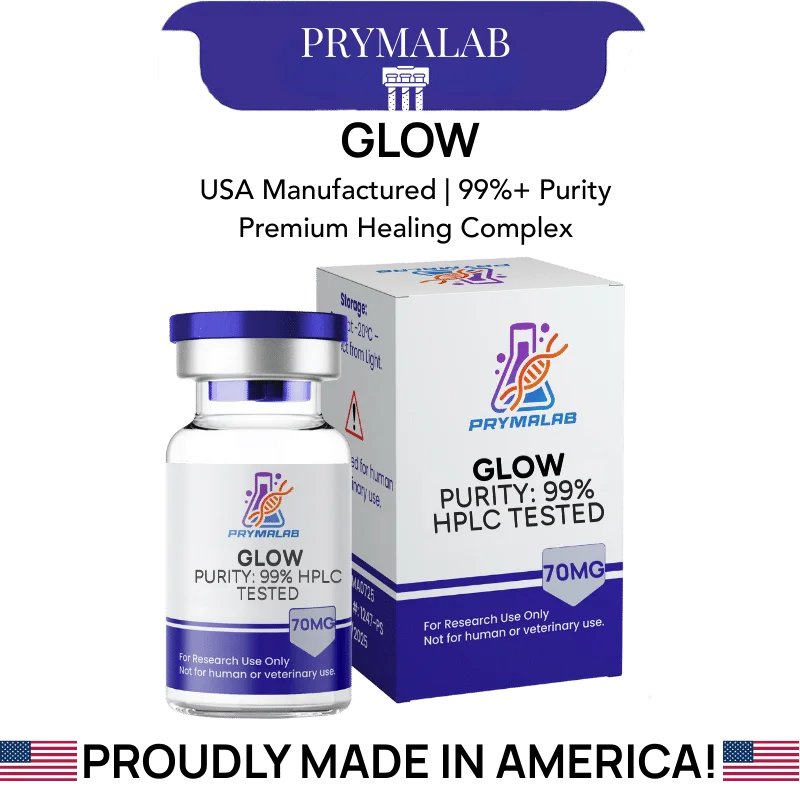


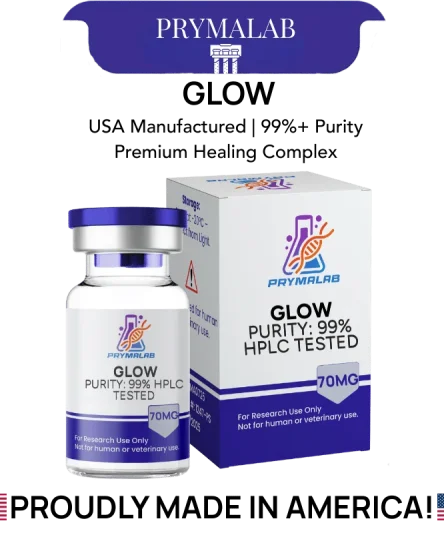






14 reviews for GLOW BLEND 70MG